




















Unlocking Nature’s Secrets: Master Gardening with Essential Soil Tools
Every gardener dreams of cultivating a thriving garden. Whether it’s the burst of colorful flowers or the lush green of healthy vegetables, the secret to a picturesque garden lies beneath the surface—in the soil. Understanding and nurturing your garden’s soil is fundamental, and having the right tools can make a significant difference. This article will guide you through essential soil tools and techniques to turn you into a master gardener. Let’s dig deeper into the world beneath our feet and explore how you can unlock the secrets of nature to beautify your garden.
The Importance of Soil in Gardening
Soil is not just dirt—it’s a complex ecosystem teeming with life and nutrients. It supports plant growth by providing anchorage, nutrients, and water. Ensuring that your soil is healthy is the first step toward having vibrant plant life. A deep understanding of your garden’s soil condition will allow you to choose the right plants and provide them with the perfect environment to thrive.
Types of Soil and Their Characteristics
- Clay Soil: Heavy and sticky when wet, it holds nutrients well but has poor drainage.
- Sandy Soil: Gritty and drains quickly but doesn’t hold nutrients well, requiring more frequent watering and fertilization.
- Loamy Soil: Ideal for most plants, this soil type has a balanced mixture of clay, sand, and silt, offering good drainage and nutrient retention.
Essential Soil Tools for Every Gardener
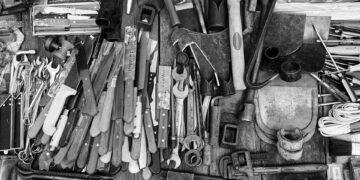
To care for your soil properly, you’ll need an arsenal of tools that help you test, prepare, and maintain the soil. Each tool serves a specific purpose, from testing soil composition to cultivating it for optimal plant growth.
Soil Test Kits
Understanding the nutrient content, pH level, and composition of your soil is crucial. A soil test kit can provide you with all these details, helping you make informed decisions about fertilization and plant selection.
Tip: Use a soil test kit in spring before you start planting to adjust your soil for the new growing season.
Trowels and Spades
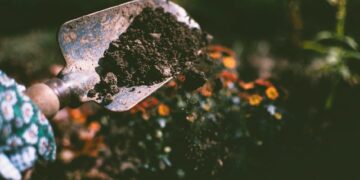
Small but mighty, a trowel is essential for digging, transplanting, and mixing in fertilizers or conditioners. A spade, on the other hand, is suited for bigger tasks like turning the soil and creating planting holes.
Practical Example: Use a trowel with a narrow blade to plant bulbs or small plants in your garden efficiently without disturbing nearby roots.
Garden Fork and Cultivator
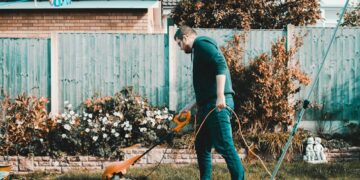
A garden fork is perfect for loosening and aerating the soil, breaking up clumps without harming delicate roots. A cultivator comes in handy to mix soil amendments and clear out weeds around your plants.
Actionable Tip: After rainfall, use a garden fork gently over the soil to prevent compaction and promote air penetration to the roots.
Wheelbarrow
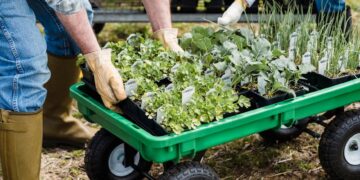
Whether you’re moving soil, compost, or garden tools, a wheelbarrow makes the job easier. It’s essential for transporting heavy loads across your garden without straining your back.
Watering Equipment
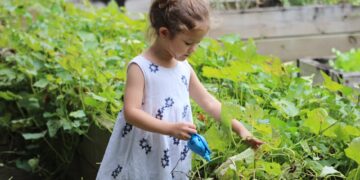
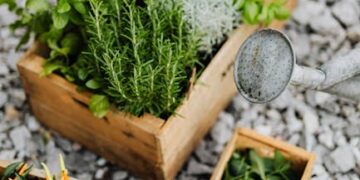
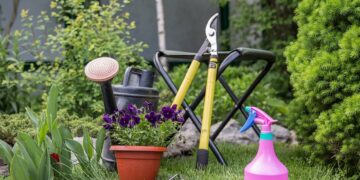
Proper hydration is crucial for soil health. Depending on the size of your garden, watering cans, hoses, or sprinkler systems can help you provide even and adequate water distribution.
Soil Maintenance Practices
Aside from having the right tools, implementing good soil maintenance practices is vital for sustaining fertile and healthy soil in your garden.
Adding Organic Matter
Incorporating organic matter like compost or manure improves soil structure, enhances nutrient content, and encourages beneficial microbial activity.
Tip: Annually mixing in compost can significantly boost your soil’s health and fertility, leading to more robust plant growth.
Regular Weeding
Weeds compete with your plants for nutrients and water. Regular weeding helps ensure that your plants get all the nutrients they need without competition.
Practical Example: Use a hoe or a hand cultivator to remove weeds early in their growth before they have a chance to establish.
Proper Water Management
Water your plants deeply but infrequently to encourage deep root growth. Over-watering can lead to root diseases and under-watering can stress plants.
Actionable Tip: Always water your garden in the early morning to reduce evaporation and allow the water to reach deeper into the soil.
Conclusion: Your Journey to Master Gardening
Mastering gardening is not just about planting and watching your garden grow—it’s about understanding and interacting with the soil in a way that promotes healthy plant growth. With the essential tools and techniques outlined in this article, you’re well-equipped to unlock the secrets of nature and enhance your garden’s vitality. Remember, every bit of effort you invest in your soil can transform your garden into a thriving sanctuary of beauty and peace.