
























The Ultimate Guide to Plant Repotting: Tips for Healthy Growth
Whether you’re a seasoned green thumb or a budding plant parent, understanding how to repot plants properly is crucial for their health and vitality. Repotting doesn’t only invigorate a plant by providing fresh soil and room to grow, but it’s also an excellent opportunity to inspect the root system for signs of distress. This comprehensive guide will walk you through the process, offering key insights that ensure your indoor or garden plants continue to thrive.
Understanding When It’s Time for Repotting
Recognizing the signs that your plant needs a new home is the first step in the repotting process. Here are some common indications:
- Roots are crowded: If you notice roots growing through the drainage holes of the pot, it’s a clear sign that your plant is root-bound and needs a larger space.
- Water issues: Water that sits on the top or drains too quickly may indicate that the roots have taken up too much space, leaving little room for the soil to retain moisture.
- Visible decline: Slower growth, yellowing leaves, or a generally unhappy appearance despite proper care might suggest that your plant could benefit from repotting.
Choosing the Right Pot
Selecting an appropriate container is more than just picking a pot that looks nice with your décor. The right pot should enhance plant growth:
- Material Matters: Terracotta pots are porous, allowing roots to breathe and moisture to evaporate, which is ideal for succulents and cacti. Plastic or glazed ceramic pots retain moisture longer and suit moisture-loving plants.
- Size Up Slightly: Choose a pot that is 1-2 inches larger in diameter than the current one. Too large a pot can lead to waterlogging, which might rot the roots.
- Drainage is Crucial: Ensure your new pot has adequate drainage holes to prevent water from pooling at the bottom, which can cause root diseases.
Best Soil and Preparations
Using the right soil mix is essential for the health of your plant:
- Specific to Plant Needs: Different plants require different soil types. For instance, succulents thrive in well-draining sandy soil, while tropical plants prefer a looser, more organic-rich mix.
- Refresh Old Soil: Even if you’re not changing pots, replacing the old, nutrient-depleted soil can reinvigorate a plant’s growth and prevent disease.
- Pre-moisten Soil: Lightly water your soil before repotting to ensure it’s evenly moist, which will help roots make easier contact with their new environment.
Step-by-Step Guide to Repotting
Step 1: Prepare Your Plant
Water your plant a day before you plan to repot. This helps the soil adhere to the roots and reduces stress during the transition.
Step 2: Remove the Plant
Gently take the plant out of its pot by tilting it sideways and easing it out while supporting the base. If the plant is stuck, you might need to tap the pot’s edges or use a knife to loosen the soil.
Step 3: Prune the Roots
Carefully trim any excessively long, rotting, or entangled roots. Sanitary, sharp scissors or pruning shears are vital for this step to prevent damage.
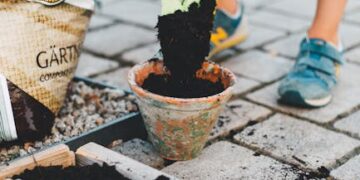
Step 4: Add New Soil
Place a layer of fresh, pre-moistened soil at the bottom of the new pot. Ensure it’s thick enough to raise the plant to its original height.
Step 5: Reposition and Plant
Center your plant in the new pot and spread the roots outward. Slowly add soil around the roots, gently tamping down to eliminate air pockets. The soil line should be about an inch below the rim of the pot for optimal space.
Step 6: Water and Adjust
After repotting, water your plant thoroughly to settle the soil and help recovery. Keep the soil moist but not soggy, and avoid fertilizing for several weeks to allow your plant to acclimate.
Troubleshooting Post-Repotting Concerns
Some plants might show signs of stress like drooping or leaf loss after repotting. This is normal as they adjust to their new environment. Give them consistent care, and they should perk up within a few weeks. However, if problems persist, verify that the pot drains properly, and no diseases are present.
Empowering Your Plants’ Journey
plant maintenance is more than a routine plant maintenance task—it’s a vital component of nurturing your green friends. With each repot, you get a chance to inspect the health of your plants, provide them with fresh nutrients, and encourage continued growth. Remember, best practices in repotting not only apply to your leafy companions but reflect a nurturing attitude toward the natural world. Happy gardening!
Whether you’re managing a lush indoor jungle or a modest balcony garden, mastering the art of repotting is fundamental to a thriving plant life. Go forth with confidence and watch your green friends prosper!