























Discover Natural Solutions: Organic Garden Pest Control Methods That Work
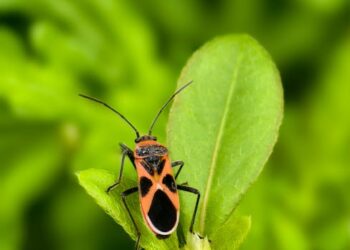
As gardeners, the sight of a healthy, thriving garden brings immense satisfaction. However, this joy can quickly diminish when pests decide to invade. Luckily, there are effective organic pest control solutions that ensure your garden remains both lush and chemical-free. Let’s explore some of the most efficient natural methods to keep those pesky invaders at bay.
Understanding the Importance of Organic Pest Control
Before diving into specific methods, it’s crucial to understand why opting for organic pest control is beneficial. Chemical pesticides not only harm the pests but can also adversely affect beneficial insects, wildlife, and even human health. Organic methods, on the other hand, help maintain ecological balance and promote biodiversity in your garden.
Benefits of Choosing Organic Methods
- Environmental Safety: Organic pest control minimizes pollution and soil contamination.
- Human and Pet Health: Reduces exposure to toxic substances.
- Protection for Pollinators: Safeguards the bees and butterflies which are vital for pollination.
Top Organic Pest Control Methods
An effective organic pest management strategy includes a variety of methods tailored to your garden’s specific needs. The following are proven techniques that have helped countless gardeners protect their plants naturally.
1. Neem Oil
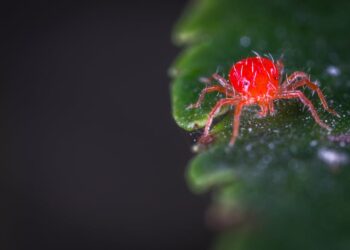
Extracted from the Neem tree, Neem oil is a powerful natural insecticide that disrupts the life cycle of pests without harming beneficial insects when used correctly. It is effective against a wide range of garden pests including aphids, mites, and scale insects.
Application Tip:
Mix a few drops of Neem oil with water and a mild soap to create a spray. Apply this mixture in the evening to avoid harming beneficial insects that are active during the day.
2. Diatomaceous Earth
Diatomaceous earth is a fine powder made from the fossilized remains of tiny aquatic organisms called diatoms. Its abrasive qualities dehydrate and kill pests upon contact yet are harmless to humans and pets.
Application Tip:
Lightly dust the soil and plants affected by insects with diatomaceous earth, taking care not to inhale the fine dust.
3. Companion Planting
Some plants have natural properties that repel certain insects, making them perfect companions for susceptible species. For example, marigolds emit a scent that repels nematodes and other pests, making them excellent companions for tomatoes and peppers.
Practical Example:
Planting garlic near roses can help fend off aphids, as the scent of garlic is undesirable to these pests.
4. Beneficial Insects
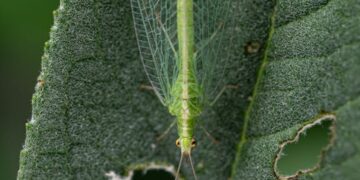
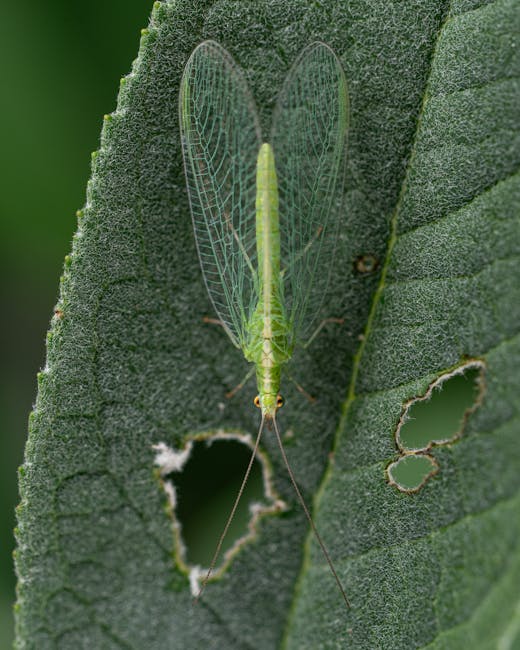
Welcoming beneficial insects into your garden is like hiring a natural task force to handle pest control. Ladybugs, lacewings, and predatory wasps prey on harmful pests and are invaluable allies in maintaining the natural balance of your garden.
Attracting Beneficial Insects:
Plant pollen and nectar-rich plants like daisies, sunflowers, and lavender to attract these helpful creatures.
5. Homemade Sprays and Traps
Creative homemade solutions can also provide relief from pests. Simple ingredients like soap, water, and vinegar can be effective against a range of insects.
Recipe for Homemade Insecticidal Soap:
Mix 1 tablespoon of mild dish soap with 1 quart of water. Spray directly on pests like aphids and spider mites to disrupt their activity.
6. Physical Barriers
Physical barriers such as row covers or netting can prevent pests from reaching your plants. These barriers are especially useful against larger pests and birds that might be attracted to fruit and vegetables.
Using Row Covers:
Cover sensitive crops like broccoli or lettuce with a lightweight cloth to protect them from pests while still allowing light and water to penetrate.
Common Questions About Organic Pest Control
Does organic pest control work as well as chemicals?
While organic methods may require more frequent application and monitoring, they can be just as effective as chemical methods when implemented properly and help in preserving the long-term health of your garden’s ecosystem.
Can these methods be combined?
Absolutely! In fact, using a combination of these methods often yields the best results. Tailor the solutions to what your garden needs most, and don’t be afraid to experiment with different approaches.
Concluding Thoughts
Embracing organic pest control methods does more than just protect your garden from pests—it promotes a healthier environment for everyone. By choosing natural solutions, you support ecological balance and contribute to a sustainable future. So why not start this gardening season with a commitment to go organic? Your garden, and Mother Nature, will thank you.