
















The Ultimate Guide to Choosing the Right Planting Equipment for Your Garden
Planning a garden can be a delightful and enriching experience, but having the right tools on hand is crucial to turn your green dreams into reality. Whether you’re a seasoned gardener or just starting, selecting the appropriate planting equipment can be the make-or-break factor in your gardening success. In this guide, we’ll walk you through everything you need to know about choosing the best planting tools that will make gardening easier, more efficient, and joyous.
Understanding Your Garden’s Needs
Assessing Your Soil Type
Before diving into your gardening project, it’s important to understand the type of soil you’re working with. Clay, sandy, loamy, or peat soils all require different tools for effective cultivation. For instance, a soil knife or a hori-hori might be perfect for loamy soils but could be less effective in dense, clay soil where a robust garden fork might be necessary.
Considering Garden Size and Type
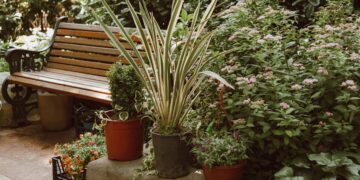
The size and type of your garden also dictate the kinds of tools you should consider. A large vegetable plot might need a sturdy wheelbarow for transporting compost or produce, whereas a small flower bed could be managed with just a simple trowel and pruning shears. Vertical gardens or container gardens will benefit from smaller, more precise tools.
Essential Planting Equipment Every Gardener Should Have
Garden Trowels
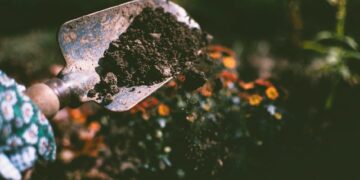
An indispensable tool for almost any garden, a garden trowel is perfect for planting, transplanting, and digging small holes. Opt for one with a comfortable grip and a durable, rust-resistant blade. Ergonomic designs reduce hand and wrist fatigue, making your gardening more enjoyable.
Garden Forks
A sturdy garden fork can be invaluable for turning soil, harvesting root vegetables, and dividing perennials. Select a fork with strong, sharp tines and a durable handle. For tougher soils, choose a fork with fewer but thicker tines, which will be more effective and less likely to bend.
Pruners
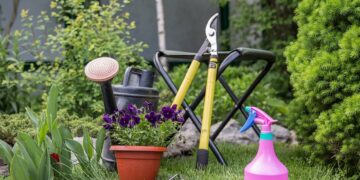
Keeping plants healthy involves regular pruning, and a good pair of pruners can help you achieve clean cuts that heal quickly. Bypass pruners are ideal for live plants and deliver precise cuts, whereas anvil pruners are better suited for dry branches and dead wood.
Watering Cans or Systems
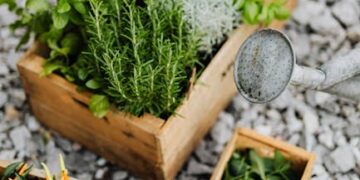
Proper hydration is crucial for your garden’s health. If managing a small garden, a well-balanced watering can with a long spout ensures water reaches the soil, not just the leaves. For larger gardens, consider investing in a hose with adjustable nozzles or an automated drip irrigation system for consistent, hands-free watering.
Advanced Tools for Specialized Tasks
Seed Spreaders
If you’re planning to plant grass seeds or distribute uniform amounts of seed over a large area, a seed spreader ensures efficient and even distribution. Hand-held, push-along, and even tow-behind models can make seeding more manageable and faster.
Wheelbarrows and Garden Carts
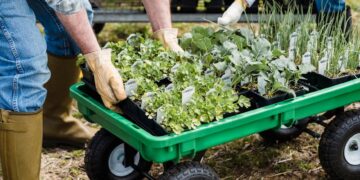
For larger garden areas and bigger projects, a robust wheelbarrow or garden cart is essential. It will help you move soil, compost, garden tools, and even debris with ease. Choose models with sturdy wheels and stable designs to handle hefty loads and varied terrains.
Soil Test Kits
To truly tailor your gardening strategy, consider a soil test kit. These kits reveal pH levels, nutrient content, and other soil properties that can influence your choice of plants and fertilization methods. Armed with this knowledge, you can optimize your garden’s health and yield.
Practical Tips for Choosing and Maintaining Your Planting Equipment
Quality Over Quantity
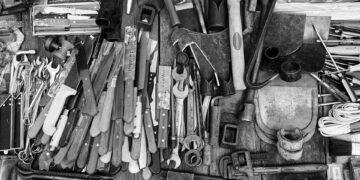
Invest in high-quality tools that offer durability and ergonomic features. Well-crafted tools can last a lifetime if properly maintained, saving you money and hassle in the long run.
Proper Storage
Always clean tools after use and store them in a dry, organized environment to prevent rust and damage. Hanging tools vertically can help preserve their shape and functionality.
Regular Maintenance
Periodically check tools for signs of wear or damage. Sharpening blades, oiling moving parts, and replacing worn out grips can extend the life of your equipment and enhance its performance.
In Conclusion
Every garden is unique, and choosing the right tools for your specific needs will not only make the task of gardening more pleasurable but also more productive. By understanding the essentials and considering advanced equipment for specialized tasks, you can create a toolkit that serves your garden’s particular demands. Remember, the best tool for the job is the one that feels right in your hands and under your care. Happy gardening!
With the right planting equipment, you’ll be well on your way to cultivating a beautiful and thriving garden. Equip yourself with knowledge and quality tools, and you’ll enjoy a bountiful harvest of plants and pleasure.