
















Ultimate Guide to Starting Your Indoor Herb Garden: Tips & Tricks for Beginners
Starting an indoor herb garden is not only a fulfilling hobby but also an excellent way to enhance your cooking with fresh flavors right from your window sill. Whether you’re new to gardening or looking for insights to perfect your green thumb indoors, this guide will take you through step-by-step instructions, tips, and tricks to cultivate a thriving herb garden inside your home.
Why Start an Indoor Herb Garden?
Indoor herb gardening offers numerous benefits, making it a popular activity for many. Not only do these gardens require minimal space, making them ideal for apartments and small homes, but they also provide fresh herbs year-round. This can significantly cut your grocery bills and reduce food waste, as you pick only what you need.
Benefits of Indoor Herb Gardening
- Freshness and Convenience: Enjoy the luxury of having fresh herbs at your fingertips, adding a burst of flavor to your dishes.
- Educational: It’s a great way to learn about plants and gardening basics, suitable for all age groups.
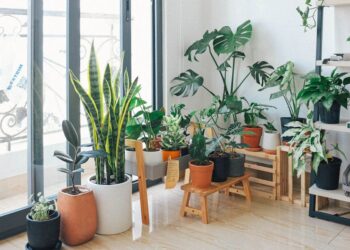
- Decorative: Herbs with varying textures and colors can enhance the aesthetic of any room.
- Improved Air Quality: Indoor plants help purify the air, which is a healthy bonus.
Choosing the Right Herbs
Select herbs that you frequently use in cooking and that can flourish indoors. Some popular choices include basil, mint, chives, and parsley. Consider the climate conditions of where you live as some herbs may thrive more in certain indoor environments than others.
Top Herbs for Indoor Gardens
- Basil: Requires lots of sunlight and warm temperatures.
- Mint: Grows quickly and is less demanding regarding sunlight.
- Chives: Needs moderate sunlight and can do well in cooler conditions.
- Parsley: Prefers full sun but can also grow in partial shade.
Setting Up Your Indoor Herb Garden
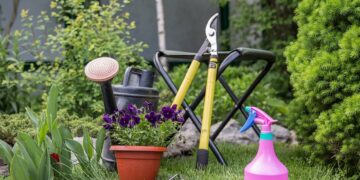
Starting your garden involves selecting the right location and supplies. You’ll need basic gardening tools, appropriate containers, high-quality soil, and sufficient lighting.
Essential Supplies
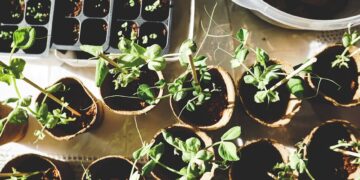
- Containers: Ensure they have good drainage holes. You can also opt for specialized herb garden planters.
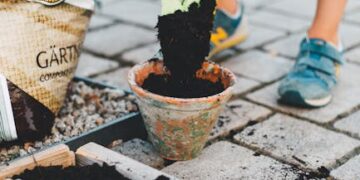
- Soil: Use a potting mix suitable for indoor plants. Avoid using soil from outdoors as it may contain pests and weeds.
- Lighting: Herbs generally need at least six hours of sunlight per day. North-facing windows may not provide sufficient light, so consider supplemental lighting like grow lights.
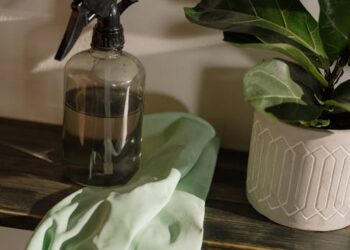
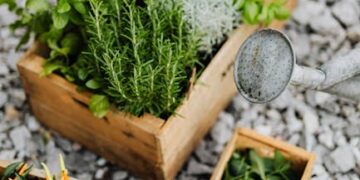
- Watering can: For gentle watering that won’t disrupt the soil and roots.
Location and Environment
The ideal location is near a window that receives ample sunlight. If natural light is limited, installing LED grow lights can provide your herbs with the necessary light spectrum to grow healthy and strong.
Caring for Your Indoor Herbs
Proper care is crucial for your herbs to flourish. This includes regular watering, providing sufficient light, and occasional fertilizing.
Watering Your Herbs
Herbs prefer soil that is moist but not soggy. Over-watering is a common mistake, so it’s essential to check the soil before adding water. Typically, watering once a week is adequate, but this can vary based on the humidity and temperature of your home.
Pruning and Harvesting
Regular pruning not only helps maintain an appealing shape but also encourages fuller growth. Harvest your herbs gently to avoid damaging the plant. For most herbs, it’s best to clip right above a leaf pair, encouraging the plant to branch from that point.
Troubleshooting Common Issues
Despite best efforts, you may encounter some challenges. Understanding how to tackle common issues will keep your herbs thriving.
Common Problems and Solutions
- Poor Growth: Often due to insufficient light. Consider moving your plants closer to a light source or using a grow light.
- Yellowing Leaves: Can be a sign of over-watering or poor drainage. Ensure your pots have functional drainage holes and adjust your watering schedule accordingly.
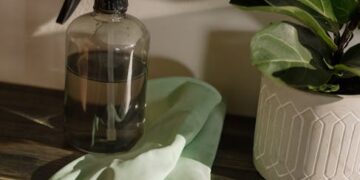
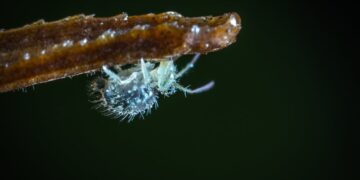
- Pests: Keep an eye out for signs of pests. Neem oil or insecticidal soap can be effective treatments for indoor herb pest control.
Conclusion
Starting an indoor herb garden can transform your cooking and brighten your living space. By following this guide, you’ll be well-equipped to start and maintain a lush, productive herb collection in the comfort of your home. Remember, the key to successful indoor gardening is understanding the needs of your plants and enjoying the process of tending to them.
With patience and care, your indoor herb garden will flourish, providing you with fresh and flavorful herbs all year round. Happy gardening!