



The Joy and Benefits of Planting Native Species
Embarking on a gardening adventure with native plants not only beautifies your space but also supports your local ecosystem and biodiversity. Whether you’re a seasoned gardener or a beginner, understanding the value and techniques of planting native species can transform your garden into a vibrant and eco-friendly paradise.
Understanding Native Species
What are Native Species?
Native species are plants that occur naturally in a particular region, ecosystem, or habitat without human introduction. These plants have adapted over thousands of years to thrive in the specific conditions of their native environment, forming symbiotic relationships with local wildlife and other plants.
Benefits of Planting Native Species
- Easier Maintenance: Since native plants are adapted to their environment, they require less water, fewer fertilizers, and minimal pesticides.
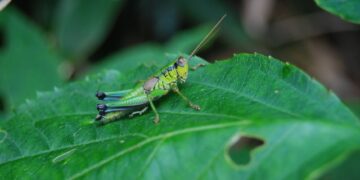
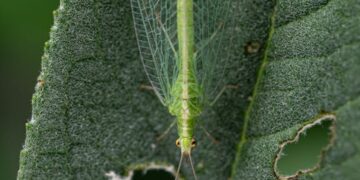
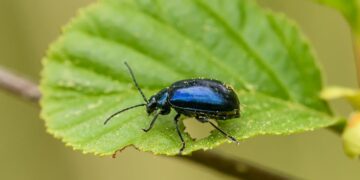
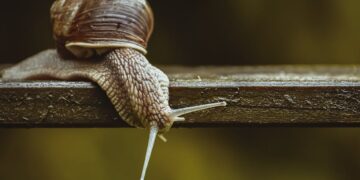
- Supports Local Wildlife: Native gardens attract and nourish local birds, insects, and wildlife, creating a balanced ecosystem.
- Resists Pests & Diseases: These plants naturally resist local pests and diseases better than non-native varieties.
- Erosion Control: Deep root systems of many native plants control erosion and improve water absorption.
- Climate Resilient: Native species are more likely to withstand local weather patterns and climatic changes.
Identifying Native Plants for Your Region
Before choosing plants, it’s crucial to know which are native to your area. Contact local nurseries, botanical gardens, or use resources from organizations like the Native Plant Society in your region for guidance.
How to Start a Native Plant Garden
Starting a native plant garden involves choice, preparation, and care. Below are actionable steps to guide you through this process.
1. Assess Your Garden Environment
Analyze the type of soil, available sunlight, and moisture level in your garden. This will help you select the appropriate native species that will thrive in your specific conditions.
2. Design Your Garden Layout
Consider different sizes, colors, and blooming times of potential plants to create a visually appealing and continual blooming garden.
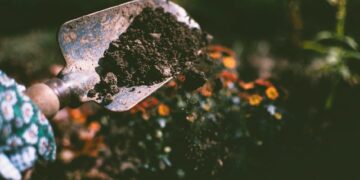
3. Prepare the Soil
Improve your garden bed by removing invasive species and adding compost to enrich the soil, ensuring a healthy start for your plants.
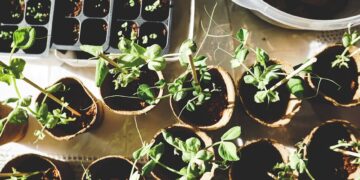
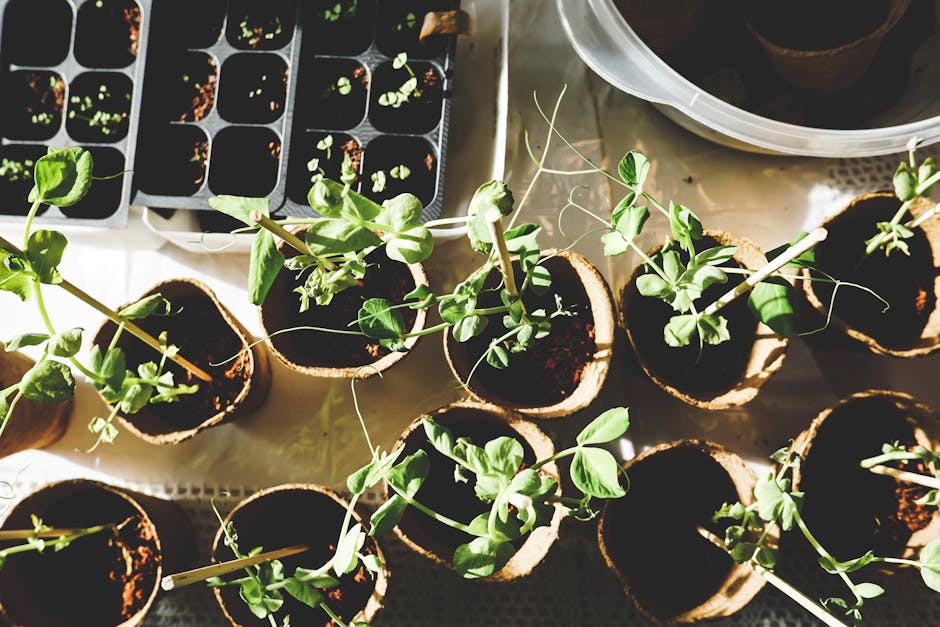
4. Plant Your Selections
Plant in the right season, generally in spring or fall, to give plants the best chance at establishing roots before the extremes of summer or winter.
5. Maintain Your Garden
Maintain your native garden with minimal but regular care. Water them during prolonged dry periods and prune as necessary to keep the garden tidy.
Common Challenges and Solutions
While native gardening is generally low-maintenance, it’s not without challenges. Here are common issues you might face and how to address them:
Invasive Species
Challenge: Non-native plants that can overrun your garden.
Solution: Regularly monitor and remove these intruders manually before they establish.
Pests and Diseases
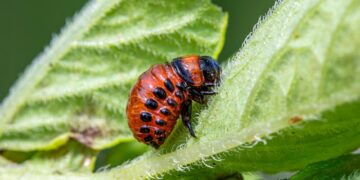
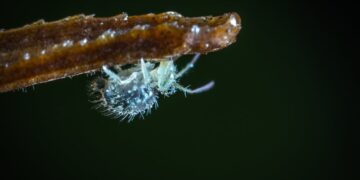
Challenge: Even native plants can succumb to pests and diseases.
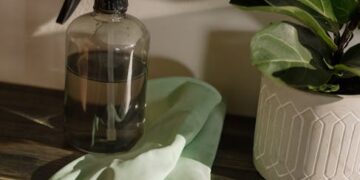
Solution: Opt for natural pest control methods like introducing beneficial insects or using organic sprays.
Why Native Plants Matter
Planting native species is not just about gardening; it’s a contribution to preserving and enhancing the local biodiversity. Each plant contributes to a more sustainable and resilient natural world, providing shelter and food for wildlife, enriching the soil, conserving water, and reducing air pollution.
Inspiring Real-World Examples
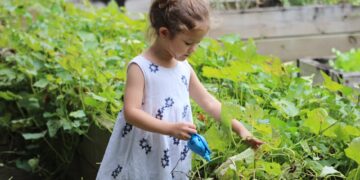
Community gardens, parks, and schoolyards across the country are turning to native species for landscaping. These initiatives provide educational spaces for children and adults alike, emphasizing the importance of ecological stewardship.
Take Action
Start small if you’re new to native plant gardening. Choose a few species that are well-suited for your area and begin with those. Over time, you can expand your garden and your knowledge.
Remember, every native plant you introduce into your garden plays a crucial part in preserving the natural heritage of your region. Happy gardening!