




















Green Gardening: Sustainable Practices for a Healthier Planet
In the embrace of nature, each plant and flower holds a secret to making our Mother Earth a healthier and more sustainable home. Green gardening is about unlocking these secrets to cultivate plants thoughtfully and sustainably. By integrating eco-friendly techniques, we can nurture our gardens and the environment simultaneously.
Understanding Green Gardening
Green gardening is also known as ‘eco gardening’ or ‘sustainable gardening. It goes beyond planting seeds – it incorporates practices that ensure long-term ecological balance and conservation of resources. The goal is to have a minimal environmental impact by using resources in a smart and efficient way.
Why Practice Green Gardening?
Green gardening is crucial for several reasons. It helps reduce the amount of water wasted, curbs the pollution impacting our planet, supports local wildlife, and promotes soil health. Beyond environmental benefits, it also can enrich your diet with organic, pesticide-free produce that’s better for your health.
Core Practices of Green Gardening
To turn your garden into a green haven, follow these cornerstone practices:
1. Water Wisely
Rainwater harvesting systems and drip irrigation are two water-conservation techniques perfect for any green garden. By capturing rainwater, you reduce reliance on municipal water systems and provide your plants with natural, untreated water. Drip irrigation ensures that water reaches directly to the roots where plants need it most, reducing wastage dramatically.
2. Choose Native Plants
Gardening with native plants brings many benefits. These plants are adapted to the local climate and soil, which means they require less water, fewer fertilizers, and minimal pesticides. They also provide a familiar habitat for local birds, butterflies, and bees, helping to maintain biological diversity.
3. Use Organic Mulches
Organic mulches like wood chips, straw, or leaves, not only suppress weeds but also improve soil quality as they decompose. They help retain soil moisture, saving water and providing your plants with nutrients needed for growth.
4. Embrace Composting
Composting kitchen scraps and yard waste reduces landfill waste and produces rich soil full of microorganisms essential for healthy plant growth. This practice recycles nutrients back into the garden, enhancing soil fertility and structure without chemical fertilizers.
5. Opt for Natural Pest Management
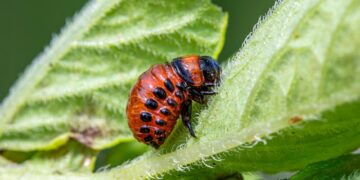
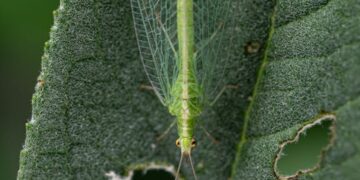
Instead of chemical pesticides, opt for natural pest control methods. Introducing beneficial insects like ladybugs, using neem oil, or planting pest-deterring plants can control pests naturally and keep your garden healthy.
Tips for Creating Your Green Garden
Ready to start your green garden? Here are some actionable tips:
Start Small
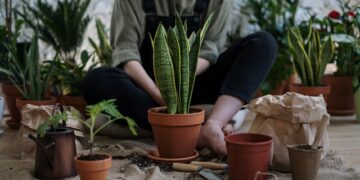
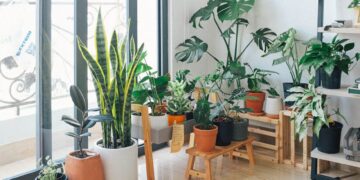
If you’re new to gardening, begin with a small space or even a few containers. This approach makes managing your new green garden more manageable.
Get the Soil Right
Healthy soil is the foundation of any garden. Have your soil tested to understand its type and nutritional profile. This information helps you pick the right plants and determine if your soil needs any amendments.
Think Seasonally
Maximize your garden’s potential by planting according to the seasons. This not only ensures a year-round supply of produce but also prevents off-season growth issues.
Plan Your Garden Layout
Consider factors like sunlight, wind patterns, and proximity to water sources when planning your garden layout. Effective planning optimizes plant health and minimize resource waste.
Frequently Asked Questions
Is green gardening more expensive?
Initially, setting up green practices like compost bins or rainwater harvesting systems may have costs. However, these practices significantly reduce long-term expenses by saving on water bills, chemical fertilizers, and pesticides.
Can I practice green gardening in a city?
Absolutely! Urban green gardening is quite feasible. Container gardens, vertical gardens, and rooftop gardens are great options for city dwellers looking to garden sustainably.
How does green gardening benefit wildlife?
Green gardens can create small ecosystems that support wildlife. Planting native species offers food and shelter to local birds, insects, and other wildlife. Organic practices mean safer environments for these creatures and for us.
Concluding Thoughts
Embarking on the journey of green gardening not only brings the satisfaction of growing your own food but also contributes significantly to environmental conservation. It’s an actionable step towards a sustainable future that begins in your backyard. With each plant and each garden, we can help heal our planet, one green thumb at a time.