
















Winning the War on Weeds: Expert Tips for Common Garden Pests and How to Control Them
Every gardener faces challenges, but few are as persistent and frustrating as weeds and garden pests. These unwelcome visitors can sabotage your beautiful blooms and lush lawns. However, with a strategic approach, you can maintain a healthy garden. In this guide, you’ll learn about effective methods to control common garden pests and weeds, ensuring your outdoor space thrives.
The Basics: Understanding Garden Pests and Weeds
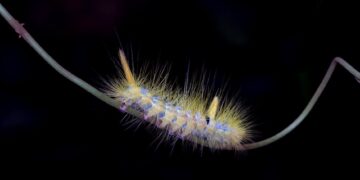
To tackle any problem, you first need to understand it. Weeds are not just any plants; they are plants that grow where they’re not wanted, often competing with your chosen flora for nutrients, sunlight, and space. Common garden pests, such as aphids, snails, and caterpillars, target your plants, causing damage that can range from mild annoyance to devastating destruction.
Identifying Common Weeds
Weeds vary widely depending on your region, but some common ones include dandelions, crabgrass, and bindweed. Recognizing these intruders is the first step in effective weed management.
Spotting Typical Garden Pests
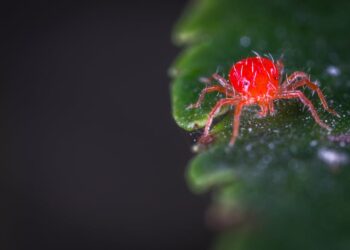
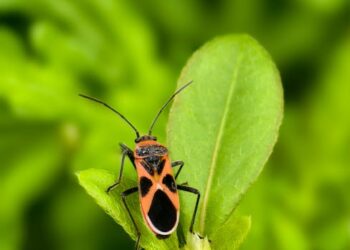
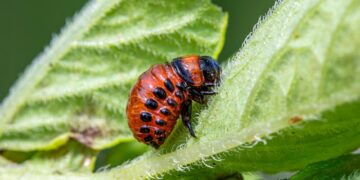
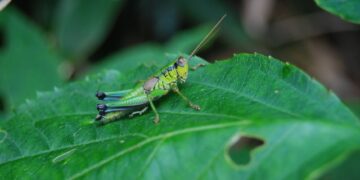
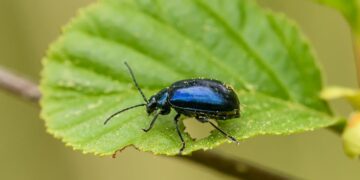
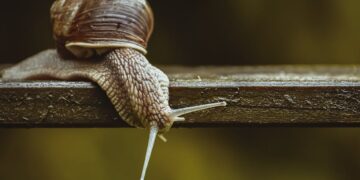
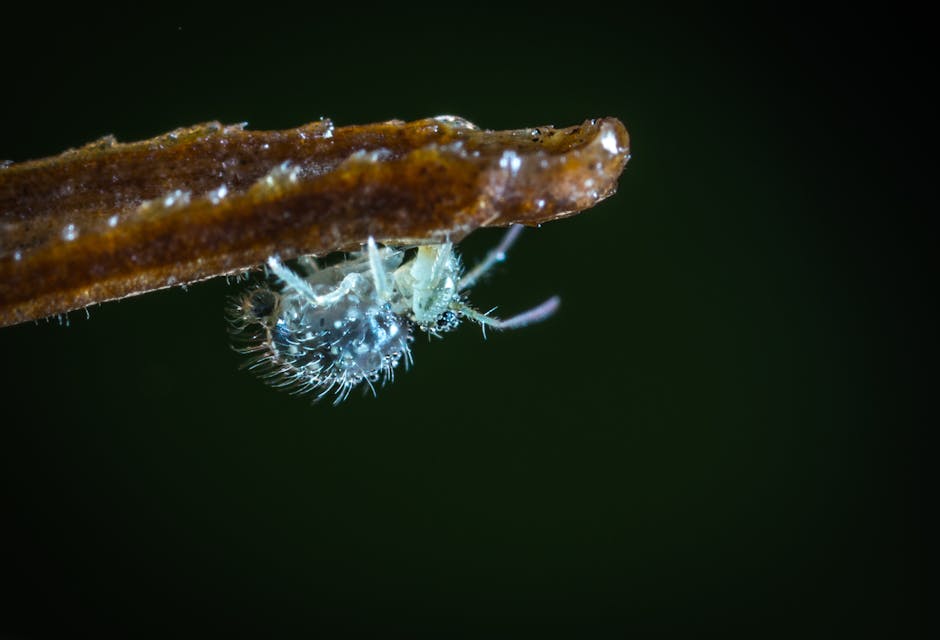
Aphids, slugs, and Japanese beetles are just a few pests that can invade gardens. Each pest has distinct characteristics. Aphids are small and sap-eating, often found in clusters on new plant growth. Slugs thrive in moist environments and chew large, irregular holes in leaves.
Strategies for Weed and Pest Control
Effective control methods balance efficiency and eco-friendliness. integrated pest management (IPM) techniques can make a significant difference in your approaches.
Mechanical and Physical Controls
- Hand-Pulling: The age-old method of manually removing weeds can be tireless but is eco-friendly and effective for immediate results.
- Mulching: Applying a layer of mulch suppresses weeds by blocking sunlight and creates a barrier against pests.
- Water Tactics: Adjusting watering techniques can help minimize the proliferation of pests and weeds. For instance, watering in the morning reduces moisture levels at night, which tends to attract fewer slugs and snails.
Biological Control Methods
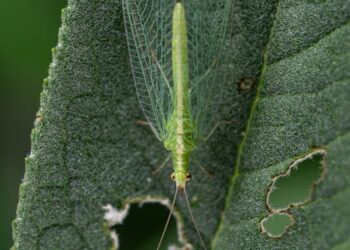
Using nature against pests involves introducing natural predators into your garden. Ladybugs, for example, are known to feast on aphids, providing a natural form of pest control.
Chemical Controls
If natural remedies aren’t sufficient, you may consider chemical controls. It’s important to choose products that are as specific as possible to your problem to minimize environmental impact. For example, herbicides are designed to target weeds without harming your plants.
Preventative Measures
Prevention is always better than cure, especially in gardening. Taking steps to prevent pests and weeds from becoming a problem in the first place will save you much trouble down the line.
Healthy Soil, Healthy Garden
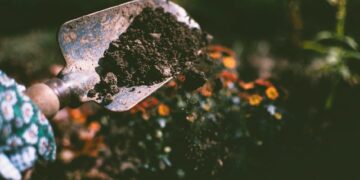
Maintaining rich, healthy soil is arguably the best preventative measure. Soil that is well-aerated, rich in nutrients, and has proper drainage discourages weed growth and strengthens plants against pests.
Choosing the Right Plants
Some plants are naturally more resistant to certain pests and conditions. Researching and selecting these plants can significantly reduce your garden problems.
Advanced Techniques and Innovations
Science and technology offer new ways to combat weeds and pests. From soil sensors that help you judge the best watering times to drones that can spot weed infestations, staying updated with the latest gardening technologies can provide you with an edge in your gardening efforts.
Integrated Pest Management (IPM)
IPM is a holistic approach that uses a combination of techniques based on the specific pest and environmental conditions. It promotes long-term pest or weed management that is environmentally sensitive.
Organic and Natural Solutions
organic solutions. Neem oil, for instance, is an organic pesticide that disrupts the life cycle of pests without harmful chemicals. Vinegar can act as a natural herbicide for managing weeds.
FAQs on Weed and Pest Control
What is the first step in controlling weed growth?
Identify the type of weeds in your garden, understand their growth habits, and take appropriate actions such as mulching or applying targeted herbicides.
Are chemical pesticides safe?
While they are effective, they should be used as a last resort. If you must use chemicals, opt for those that are environmentally friendly and apply them according to the manufacturer’s instructions.
How often should I check my garden for pests?
Regular monitoring, ideally once a week, helps catch early signs of infestation, making control measures more manageable and more likely to succeed.
Conclusion: Empowering Your Green Thumb
With the right knowledge and tools, you can protect your garden from weeds and pests effectively. Remember, the most vibrant gardens are the result of careful planning, continuous care, and an integrated approach to pest and weed management. Taking these steps not only preserves the beauty and health of your garden but also benefits the local ecosystem. Happy gardening!