






















Transform Your Home with These Indoor Garden Design Ideas
Thinking about bringing a slice of nature into your home? Whether you’re living in a tiny apartment or a spacious house, incorporating indoor gardens can transform any space. Not only do they purify the air, but they also offer a serene retreat from the hustle and bustle of daily life. Let’s explore some indoor garden design ideas that are both aesthetic and functional, promising to elevate the ambiance of your home.
Understanding the Basics of Indoor Gardening
Before diving into specific design ideas, it’s crucial to grasp some fundamentals of indoor gardening. Investing in the right soil, selecting suitable plants, and understanding the light requirements are essential to ensure your indoor garden thrives.
Choosing the Right Plants
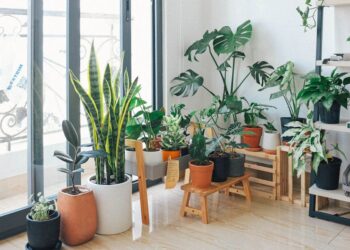
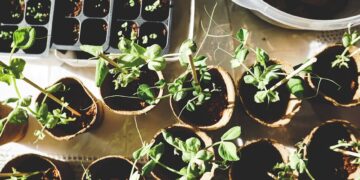
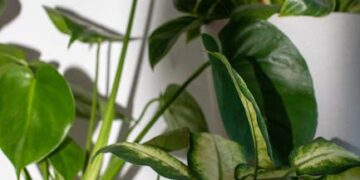
Not all plants are suited for indoor environments. Opt for those that require less natural light, such as ferns, snake plants, and pothos, as they are more adaptable to indoor conditions and easier to maintain.
Soil and Watering Needs
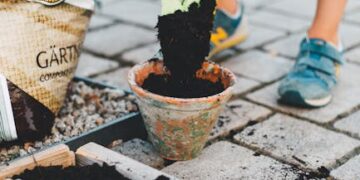
Using potting soil rich in nutrients is vital for indoor plants. Be cautious with watering; most indoor plants prefer the soil slightly moist but not wet. Overwatering is a common mistake that can lead to root rot.
Lighting Requirements
Your plants’ growth depends heavily on their exposure to natural light. South-facing windows often provide the most consistent light, but if natural light is limited in your home, consider using grow lights.
Innovative Indoor Garden Styles
Now that we’ve covered the basics, let’s dive into innovative ways to integrate gardens into your indoor spaces seamlessly.
Vertical Gardens: A Space-Saving Solution
Vertical gardens are perfect for those with limited floor space. Utilize wall-mounted planters or hanging pots to create a dynamic green wall. This not only adds to the aesthetic appeal but also acts as a natural air purifier.
Herb Garden in the Kitchen
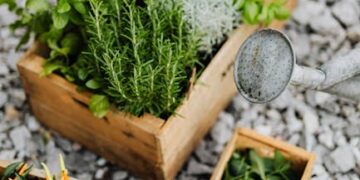
Imagine having fresh herbs within arm’s reach while you cook. Transform a sunny kitchen window with small containers of basil, mint, thyme, and more. It’s convenient, and the herbs also contribute a fresh fragrance to your kitchen area.
Creating a Plant Shelfie
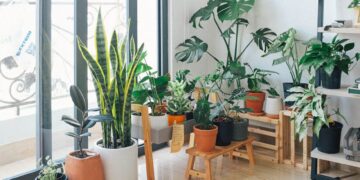
Turn your bookshelf into a breathtaking display of greenery. Arrange plants of various sizes and types on different tiers. This not only enhances the visual appeal but also helps with the plants’ different lighting needs. Remember to rotate the plants occasionally to ensure all sides receive sufficient light.
DIY Indoor Garden Projects
Engaging in DIY projects can be a fulfilling way to personalize your space. Here are a few ideas that you can start with minimal equipment and expertise.
Mason Jar Herb Garden
Use mason jars to plant herbs. Mount the jars on a wooden board and hang them on your kitchen wall for easy access and stylish look. Ensure there are adequate drainage holes and the soil is suitable for the herbs you choose.
Terrariums for a Miniature Landscape
Small, enclosed glass terrariums create a microenvironment for your plants, making them a fascinating focal point in your living room. Fill them with a mix of small, humidity-loving plants, stones, and decorative elements to mimic a miniature landscape.
Accessorizing Your Indoor Garden
No garden is complete without the final touches that enhance its charm and character.
Natural Elements
Incorporate natural elements like wood, stones, or water features. These can complement the greenery and bring a sense of complete natural harmony into your indoor garden design.
Smart Planters
Opt for planters with smart features like built-in lighting or self-watering capabilities. These are particularly helpful for keeping the plants healthy with minimal effort, perfect for busy individuals.
Frequent Questions About Indoor Gardens
How Often Should I Water Indoor Plants?
It generally depends on the type of plant, the environment of your home, and the humidity. Check the topsoil; if it feels dry to the touch, it’s usually a sign that your plant needs water.
Are Indoor Gardens Costly to Maintain?
The cost can vary depending on the types and number of plants you have. However, with strategic choices like opting for perennials and learning to propagate your plants, indoor gardens can be a budget-friendly option.
Incorporating an indoor garden not only brightens up your living space but also has the potential to enhance your overall well-being by connecting you closer to nature. With these ideas and tips, you’re now equipped to start your own indoor gardening project, turning your home into a vibrant, green haven. Remember, each plant has its personality; take time to understand and nurture them, and they will transform your home into a lively and refreshing space.